“Independence” turns 11: 11 facts about the Klaipėda LNG terminal
2025-10-27
Klaipėda LNG terminals
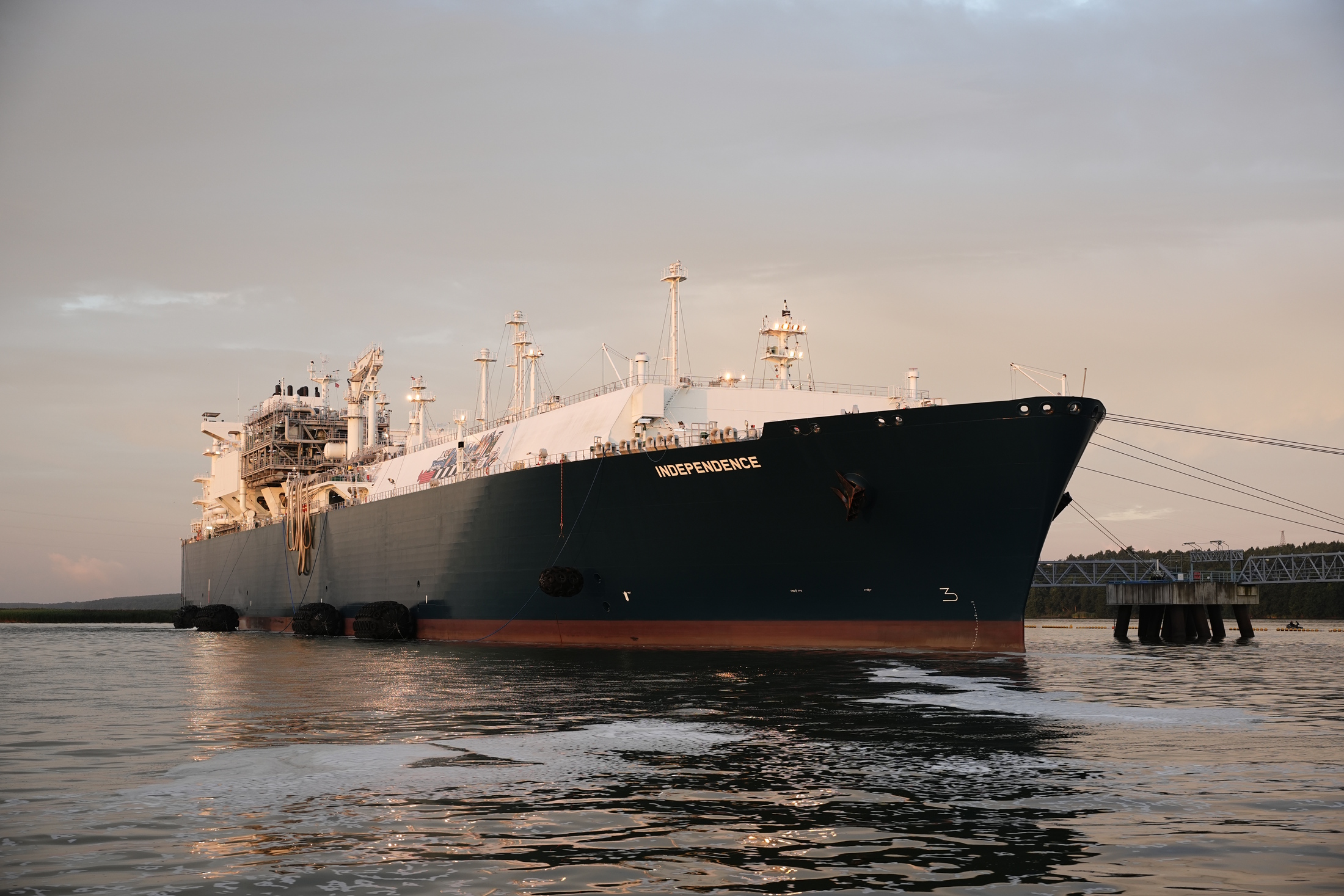
Exactly 11 years ago, on 27 October 2014, the liquefied natural gas (LNG) floating storage and regasification unit (FSRU) Independence reached the Port of Klaipėda. Lithuania’s liberation from the grip of a monopolist became not only an inspiration for the Baltic region but also ensured energy security and the right for consumers to purchase gas at market prices.
To mark the anniversary, KN Energies, the operator of the Klaipėda LNG terminal and the owner of the FSRU Independence, shares 11 interesting facts about the LNG terminal and the LNG value chain being developed in Klaipėda.
1. The first floating LNG terminal in the region, the second in Europe
The Klaipėda LNG Terminal, which consists of the FSRU Independence, the jetty, and a connecting pipeline, in 2014 was the first of its kind not only in the Baltic region but in all Northern Europe, and in Europe overall – the second. Until January 2023, when an LNG terminal in Finland began operations, the Klaipėda LNG terminal was the northernmost operating terminal in Europe.
The Klaipėda LNG terminal is one of the most important facilities ensuring Lithuania’s energy security, which opened the possibility to import natural gas from around the world and thus allowed the country to free itself from the Russian gas monopoly.
2. Independence is owned by Lithuania
On 6 December 2024, an official ceremony marked the transfer of the FSRU Independence to Lithuanian ownership and its registration in the Lithuanian Register of Seagoing Ships, which was symbolised by the raising of the Lithuanian tricolour on the vessel and the unveiling of the new home-port name – Klaipėda.
Until last year, the FSRU Independence operated in Klaipėda was chartered from the Norwegian company Höegh Evi. The Law on the LNG Terminal provided for the obligation to acquire and own the FSRU by the end of 2024 and to ensure its operation until 31 December 2044. The final decision to purchase the FSRU Independence was taken in 2022.

3. Gas from the LNG terminal reaches markets from Finland to Ukraine
The LNG terminal is used not only by companies supplying the Lithuanian market but also by companies from other countries of the Baltic Sea region – Poland, Latvia, Norway, and Estonia – and gas from the Klaipėda LNG terminal reaches Ukraine and even more distant markets. In the first half of this year, more than 60% of the natural gas imported into Lithuania was exported.
This makes it possible to eliminate the terminal’s operating costs from the security component paid by Lithuanian consumers. Since 1 May 2022, natural gas consumers no longer pay for the terminal’s infrastructure in the security component, because all these costs are covered by the terminal’s users.
4. During inspection, the FSRU was adorned with the Weathervane of Freedom
In 2024, the FSRU Independence left Klaipėda for the first time in its operational history: sailed to Denmark, the vessel was dry-docked, where a thorough inspection of the hull and all systems was carried out.
To mark the terminal’s decade in Lithuania and a new stage in its life, during the roughly month-long technical inspection Independence was adorned with a unique Weathervane of Freedom created specially for this occasion, its design inspired by the folk art traditions of the Curonian Lagoon shores.
The weathervane placed on the hull of Independence tells the 20th and 21st century history of Lithuania’s freedom, of which the terminal itself is an integral part. Each element of the Weathervane of Freedom has meaning and is part of the story. This weathervane was created in cooperation with the recognised master of Curonian weathervanes Vaidotas Bliūdžius, historian Norbertas Černiauskas, and mural artist Artur Širin.

5. Independence – the largest ship in the Lithuanian ship register
Until 6 December 2024, the FSRU Independence was registered in the Singapore ship register and sailed under that country’s flag. Accordingly, the ship was subject to Singapore’s laws (labour law, safety requirements, environmental protection standards, etc.).
After Lithuania took ownership of the vessel and the Lithuanian tricolour was raised, the laws of our country fully came into force onboard, and supervisory institutions in Lithuania acquired the right and obligation to inspect Independence. With the Independence entered in the Lithuanian ship register, the tonnage of the country’s fleet increased by as much as 30%.
6. The first virtual liquefaction of biomethane
This October, the first virtual liquefaction of biomethane was successfully carried out on the FSRU Independence. The operation was performed together with partners, the Nordic energy company Gasum OY and the Norwegian energy company Equinor ASA.
BioLNG is biomethane liquefied from the gas grid, produced from feedstocks in Europe, which allows customers to reduce their carbon footprint by using the infrastructure of the Klaipėda LNG terminal.
By implementing the first virtual liquefaction of biomethane, the Klaipėda LNG terminal is one of the first terminals in the Baltic States region to offer such a service. For the Klaipėda LNG terminal, this innovation provides flexibility, strengthens its role as a regional hub for both natural and renewable gases, and aligns with the EU’s goals to integrate renewable gases into the energy system.
7. Green electricity will ensure the operation of Independence
To reduce the CO₂ emissions of the LNG terminal, an power cable will be laid on the bottom of the Curonian Lagoon to connect the FSRU with the power grid. It is planned that only green electricity – generated from renewable energy sources – will flow through the new cable. This project has also secured financial support from the European Union.
Currently, the FSRU Independence operates completely autonomously and generates all the electricity it needs using four engines onboard. The engines use gas and diesel. Once the power line connection project with the Klaipėda LNG terminal is implemented, preliminary calculations indicate that the terminal’s CO₂ emissions would decrease by about one-third.

8. First times in the LNG industry
The Klaipėda LNG terminal has offered the market many innovative solutions: it was the first floating terminal in Europe to offer regasification services to several different terminal users (multi-user) and to begin operating in a multi-service mode for clients. Under the industry practice established until then, floating LNG terminals would operate for just one client.
At Klaipėda, since 2017 the terminal has provided small-scale LNG reloading services, which contribute to the development of the small-scale LNG market and ensure the supply of LNG to autonomous LNG terminals around the Baltic Sea.
These and other innovations have enabled KN Energies to become a recognised provider of LNG terminal services in the international market. KN Energies currently operates an LNG terminal abroad in the Port of Açu, Brazil, and the Wilhelmshaven 2 LNG terminal in Germany. The company also provides commercial operations services to four German floating LNG terminals.
9. The largest cargo arrived from the USA
To date, the largest cargo of liquefied natural gas to the Klaipėda LNG terminal arrived from the USA – in April this year the LNG carrier Flex Aurora delivered more than 165 thousand cubic metres of LNG.
10. Can supply gas to the whole of Lithuania
If needed, the Klaipėda LNG terminal can fully meet the demand of the Lithuanian gas market. The terminal was built and designed so that even on the coldest winter day it could fully supply Lithuanian consumers with gas.
It is estimated that the terminal’s nominal regasification capacity is about 2.77 billion cubic metres per year; for comparison, in 2024 the amount of gas consumed in Lithuania reached almost 1.5 billion cubic metres.
11. A value chain has been created
The FSRU Independence entered the Port of Klaipėda on 27 October 2014, and commercial operations of the terminal began at the start of 2015. Over almost 11 years the terminal has regasified about 17.6 billion cubic metres of gas – roughly the amount that all the Baltic States would consume over 6 years (based on 2024 consumption).
On 27 October 2017, the Klaipėda LNG reloading station started operations, thus ensuring the LNG value chain in Lithuania. At the Klaipėda LNG reloading station, located near the Klaipėda port gates, LNG brought from the Klaipėda LNG terminal or other nearby ports by small-scale LNG carriers is reloaded into five 1,000 cubic metre LNG tanks, and later from them reloaded into LNG trucks and transported to customers.
Gas from the Klaipėda LNG reloading station is transported by LNG trucks to gas consumers in Lithuania, Latvia, Estonia, and Poland. It is estimated that since the start of operations of the Klaipėda LNG reloading station more than 5.8 thousand LNG trucks have been loaded and more than 90 small-scale LNG carriers received.

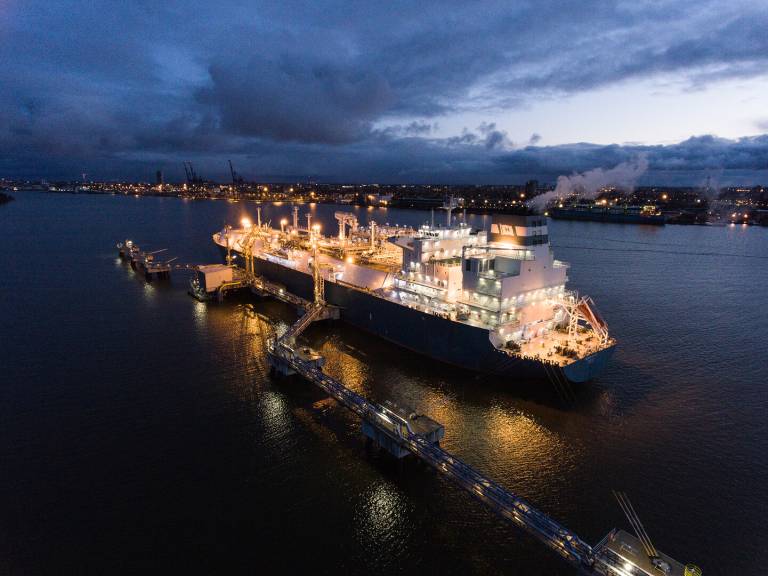
On Monday, a liquefied natural gas (LNG) cargo from the United Stats of America ordered by D.TRADING International SA, a subsidiary of DTEK Group, the largest private Ukrainian energy company, reached the Klaipėda LNG terminal operated by the international terminal operator KN Energies. Approximately 160 thousand cubic metres of U.S....
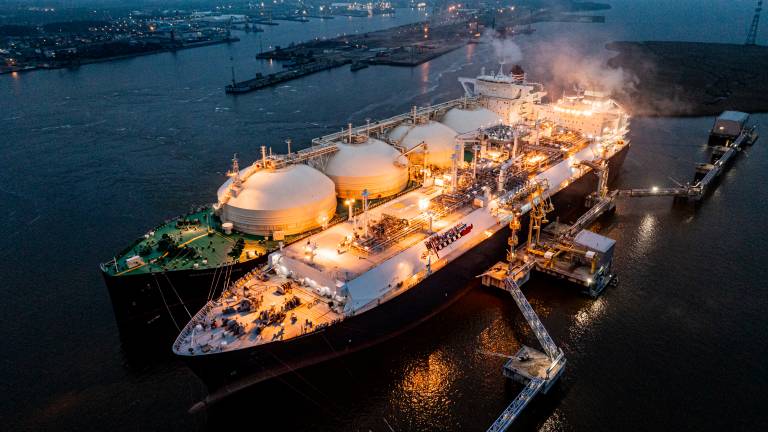
Klaipėda LNG terminal operator, SC KN Energies (hereinafter referred to as the Company), informs natural gas market participants about the planned allocation of SPOT LNG cargo capacity of the LNG terminal under the conditions specified below. The Company, taking into account the provisions of the Regulations for the Use of...
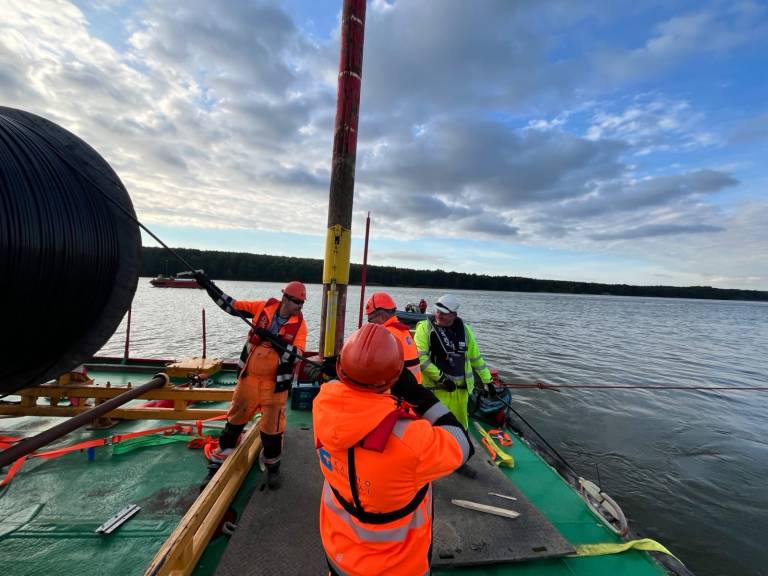
As part of the shore electricity connection project to the Klaipėda LNG terminal implemented by the international energy terminal operator KN Energies, the first works have begun. The company executing the project, Kauno tiltai, has started cleaning a pipe installed using the horizontal directional drilling (HDD) method and carrying out...