KLAIPĖDA LNG TERMINAL HANDLES THE FIRST SMALL-SCALE RELOADING FROM FSRU OPERATION
2017-01-02
Company news
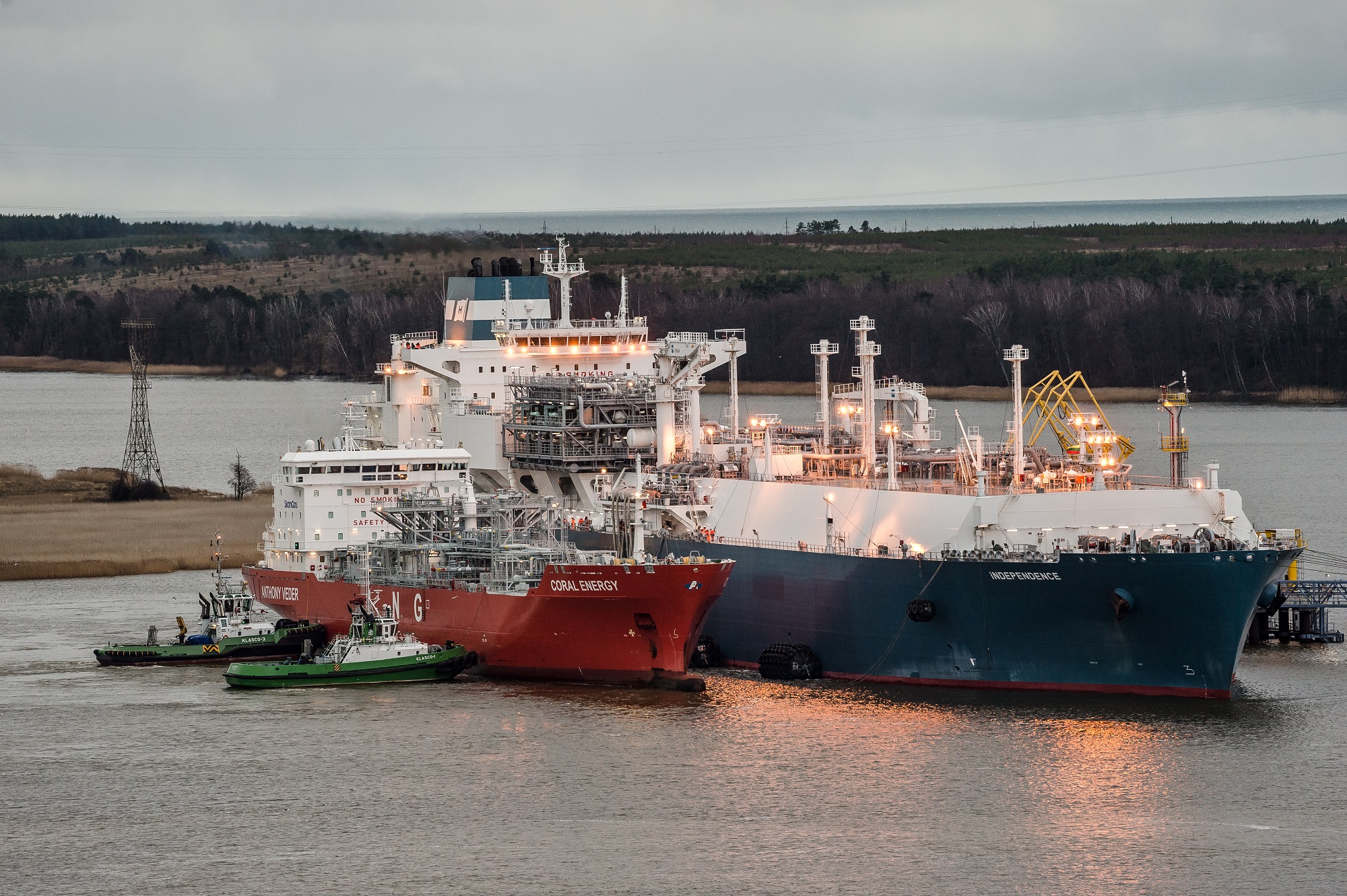
KN-controlled liquefied natural gas (LNG) terminal based in Klaipėda Seaport for the first time is practically implementing commercial small-scale LNG reloading from FSRU (floating storage and regasification unit).
2nd January the first small-scale LNG carrier Coral Energy is being filled from FSRU Independence. This operation is unique in that it is the first practical implementation of continuous reload service from FSRU type terminal for small-scale LNG market.
The most meticulous preparation was made for the arrival of Coral Energy. KN carried out a small study on technical feasibility and risk assessment of reloading LNG on small-scale carriers. The study outlines the conditions of docking and reloading of 1,000-30,000 m3 small-scale LNG carriers at the terminal.
For its part, the operator of the FSRU Independence in Klaipėda, Hoegh LNG, performed a feasibility study on the compatibility of Coral Energy and the terminal.
Put into operation in 2013, the Coral Energy carrier, featuring a length of 155 m and a cargo capacity of 15,600 m3, is the first small-scale LNG carrier to be filled in Klaipėda. It will be loaded with about 15,000 m3 of LNG.

“This is a significant event not only for the port of Klaipėda, but also the LNG industry since this is the first practical implementation of continuous small-scale reload service from FSRU type terminal for small-scale LNG market. Moreover, FSRU terminal for the first time operates not only in multi-user but also in multi-service mode” – emphasizes Tadas Matulionis, KN LNG terminal Director.
The LNG infrastructure of KN, which is being further expanded, gives impetus for developing an LNG logistic chain in the Baltic Sea region. Infrastructure objects need to be used efficiently. The main operation of the LNG terminal to supply natural gas as well as additional commercial activity involving the reload of LNG ensure the cost-effective exploitation of the terminal, by reducing its operating costs and subsequently cutting down the gas price security component for Lithuanian gas consumers.
According to Matulionis, Klaipėda Seaport is very suitable for LNG transportation due to several reasons. Firstly, it is ice-free during the whole year, thus allowing shipping with no restrictions. Secondly, the time required to transport LNG to small LNG terminals in Sweden and Finland is much shorter than transporting LNG from other terminals. For example, the sailing from the port of Rotterdam (the Netherlands) or the port of Zeebrugge (Belgium) to the port of Nynäshamn (Sweden) takes about 80 hours, compared with nearly 20 hour sailing from the port of Klaipėda.
“This is another step towards creating a complex LNG distribution station in Klaipėda. The next stage of developing the LNG infrastructure, which we plan to start in the summer when the LNG distribution station is put into operation, will involve the loading of LNG onto land transport vehicles”, – says Matulionis, looking into the future.
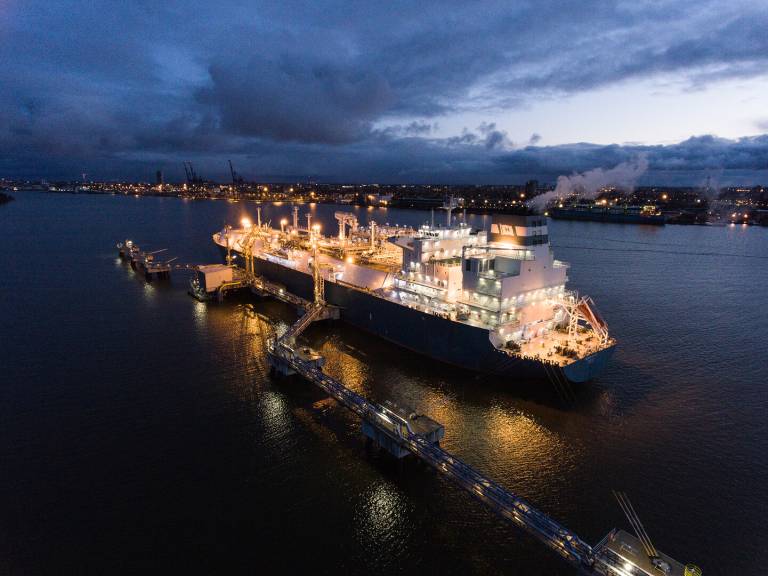
On Monday, a liquefied natural gas (LNG) cargo from the United Stats of America ordered by D.TRADING International SA, a subsidiary of DTEK Group, the largest private Ukrainian energy company, reached the Klaipėda LNG terminal operated by the international terminal operator KN Energies. Approximately 160 thousand cubic metres of U.S....
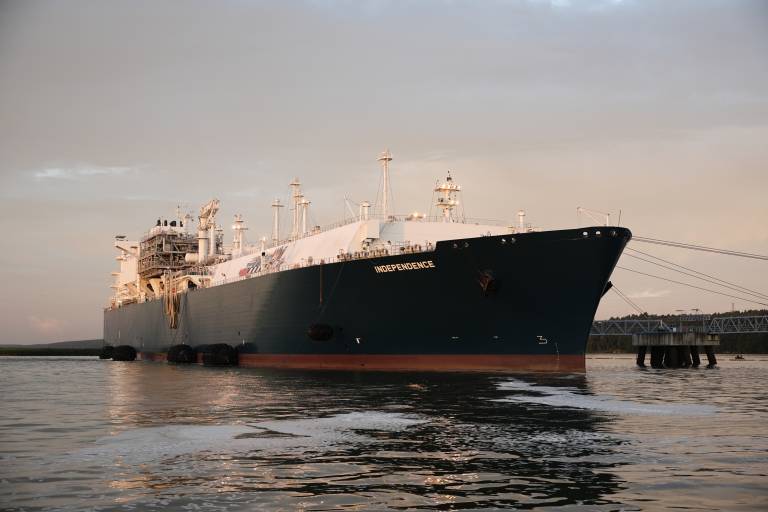
Exactly 11 years ago, on 27 October 2014, the liquefied natural gas (LNG) floating storage and regasification unit (FSRU) Independence reached the Port of Klaipėda. Lithuania’s liberation from the grip of a monopolist became not only an inspiration for the Baltic region but also ensured energy security and the right for consumers...
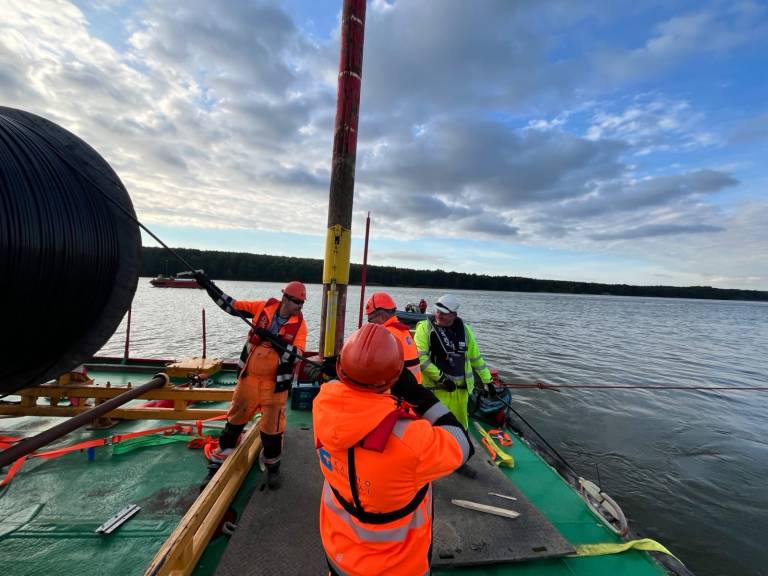
As part of the shore electricity connection project to the Klaipėda LNG terminal implemented by the international energy terminal operator KN Energies, the first works have begun. The company executing the project, Kauno tiltai, has started cleaning a pipe installed using the horizontal directional drilling (HDD) method and carrying out...